


During the 13th century, in the Yuan Dynasty, a Mongolian physician wrote in the book “A Concise Guide to Food and Drink” that upon waking early in the morning, pressing the palms together and blowing warm breath onto the face helps prevent wrinkles and other skin issues.
He also recommended gently wiping the eyes with saliva and massaging the outer eyelids, which improves blood circulation to the eyes and helps prevent various eye diseases. Teaching children these exercises from an early age is considered important for their health.
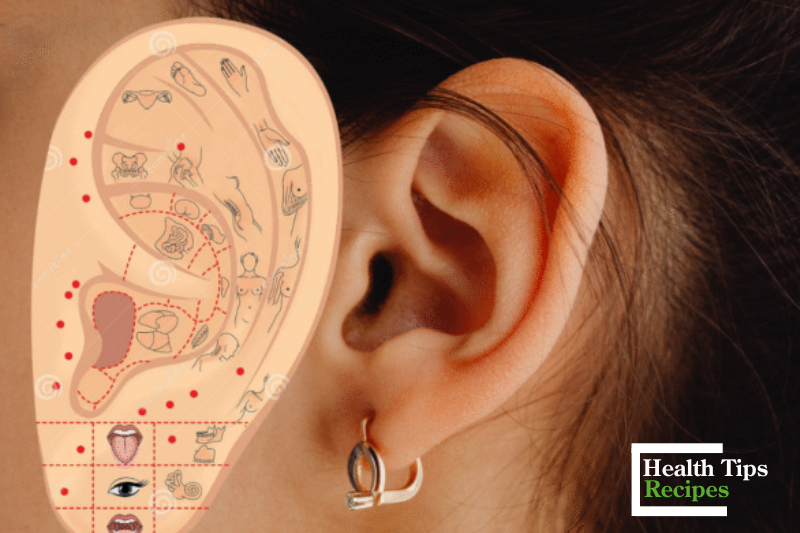
In East Asian medicine, including Mongolian practices, there is a unique method of diagnosing diseases through the ear’s blood vessels and stimulating bioactive points on the ear to treat and prevent illnesses.
Massaging the ears in the morning, evening, or when fatigued can restore bodily functions, invigorate the body, and help prevent diseases. The ear resembles the shape of a human embryo, with the ear canal corresponding to the embryo’s head.
The auricle contains bioactive points connected to nerves and internal organs. When an organ is diseased, the activity at the corresponding point increases, and it decreases upon recovery. Massaging the ear enhances the functions of these internal organs.
The massage begins by pinching and rubbing the ear canal with the thumb and little finger. Next, the auricle is lifted along its edge, massaging the inner part with the little finger and the outer part with the thumb until warm.
Move the fingers in various directions, using the little finger to push the ear tragus back and forth ten times. Then, press the auricle between the palms and move it back and forth 10–20 times.
Combining ear massage with 6–8 deep breathing exercises can relieve fatigue and restore work capacity. Additionally, massaging the bioactive area on the sole of the foot corresponding to the ear can improve hearing and support ear function. Even once, honor your internal organs with care and respect.
This information is provided for general informational purposes only and is not a substitute for professional medical advice. If you have any health concerns, please consult a doctor or a qualified healthcare professional.