



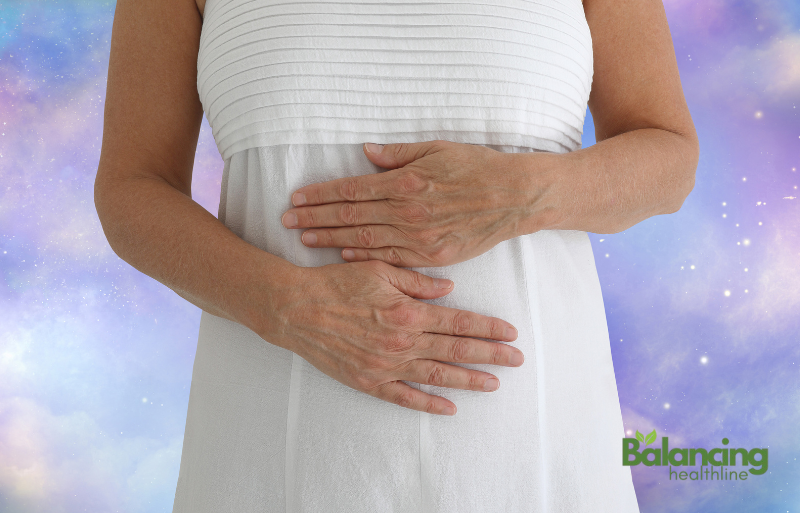
The solar plexus is a dense network of nerves and arteries located in the upper abdomen, just behind the stomach and in front of the main artery called the aorta. It lies near the center of the torso and is often referred to as the celiac plexus.
To locate your solar plexus, follow the line just beneath your rib cage. The spot where the ribs meet in the center is considered the area of the solar plexus.
This nerve center connects several major organs and plays a role in breathing. It is a highly sensitive area with many nerve endings, which is why it is often targeted in martial arts. A direct blow to the solar plexus can knock the wind out of a person and cause intense pain due to the impact on the diaphragm and nerves.
Understanding Solar Plexus Pain
Pain in the solar plexus can be difficult to diagnose because of the complex web of nerves in the area and its proximity to several vital organs such as the stomach and lungs. The discomfort can stem from a variety of causes, ranging from mild to severe.
Here are 9 common causes of solar plexus pain:
-
Stomach ulcers – Open sores in the stomach lining can create sharp or burning pain in the upper abdomen.
-
Stress – Emotional or mental stress can tighten the muscles around the solar plexus, leading to discomfort.
-
Indigestion – Poor digestion can create pressure or bloating in the upper abdomen, triggering pain.
-
Stretched muscles – Overuse or strain of the abdominal muscles may cause localized pain.
-
Muscle cramps or spasms – Sudden, involuntary contractions can be painful in the solar plexus area.
-
Cancer – Though less common, some forms of abdominal or pancreatic cancer may cause pain in this region.
-
Chronic pancreatitis – Long-term inflammation of the pancreas may lead to pain near the solar plexus.
-
Nerve damage – Deficiencies in essential vitamins or physical injury can harm the nerves, leading to pain.
-
Bruising – Trauma to the abdomen, even without visible injury, may cause lingering soreness.
When to Seek Help
If you are experiencing ongoing or severe pain in the solar plexus area, it is important to consult a healthcare professional. Because of the number of organs and nerves involved, only a medical expert can determine the exact cause through proper diagnosis.
How to Relieve Mild Solar Plexus Pain
In some cases, especially when the cause is known and not serious, you may be able to relieve pain at home. For example, if you have a history of ulcers or indigestion, you may already recognize the signs.
Here are some gentle ways to ease discomfort:
-
Massage – Light pressure and circular motions around the upper abdomen can help relax tense muscles and reduce stress.
-
Stretching – Simple stretches for the upper body can improve circulation and reduce cramping.
-
Relaxation techniques – Deep breathing and mindfulness can calm the nervous system and help release emotional tension in the solar plexus area.
The solar plexus is a powerful and sensitive part of the body, deeply connected to both our physical health and emotional state. While pain in this area can be a sign of a range of conditions, mild symptoms are often manageable through self-care. Always seek medical advice if the pain is persistent, severe, or comes with other symptoms.
Have you ever experienced solar plexus pain? Share your thoughts and experiences with us.
If our work has been helpful to you, we kindly ask for your support so we can continue to provide valuable content. Thank you.